Key Takeaways:
Most BPC-157 evidence still comes from animal research.
Preclinical studies suggest possible effects on gut integrity, inflammation, blood vessels, and neurological signaling.
Across 53 user reports, common observations included improved digestion, reduced inflammation, and better recovery.
Oral BPC-157 may help gut-focused outcomes, while injections were more commonly preferred for injuries.
Human evidence remains limited, and BPC-157 is still an unapproved experimental compound.
BPC-157 enjoys a rather unique position in peptide research and usage, as many of its systemic effects come from gastrointestinal experiments. Yes, this is true even though BPC-157 is widely associated with tendon recovery, peptide therapy, and musculoskeletal rehabilitation. Early literature surrounding the stable gastric pentadecapeptide focused heavily on cytoprotection, vascular recruitment, intestinal integrity, inflammatory injury environments, and disruptions involving the brain-gut axis.
But with time, the research expanded, and BPC-157 became much more than just a basic "gut healing peptide". Now we know that it engages a complex, body-wide network that connects the digestive, vascular, nervous, and immune systems. Early studies suggest its ability to repair tissue, control inflammation, and balance neurotransmitters isn't just about fixing an isolated injury.
Rather, BPC-157 appears to act as a systemic master regulator, stabilizing the body's overall cellular communication rather than simply patching localized damage.
Across the published literature, gastrointestinal models repeatedly demonstrated protective effects involving:
gastric ulcers
intestinal permeability disruption
inflammatory bowel injury
alcohol-induced gastric damage
NSAID-related tissue injury
ischemic injury environments
compromised vascular supply within the digestive tissues
Several research papers also indicate that BPC-157 appears unusually stable within gastric environments compared to many other peptide compounds. This later contributed to growing interest in oral capsule administration rather than injection-only protocols.
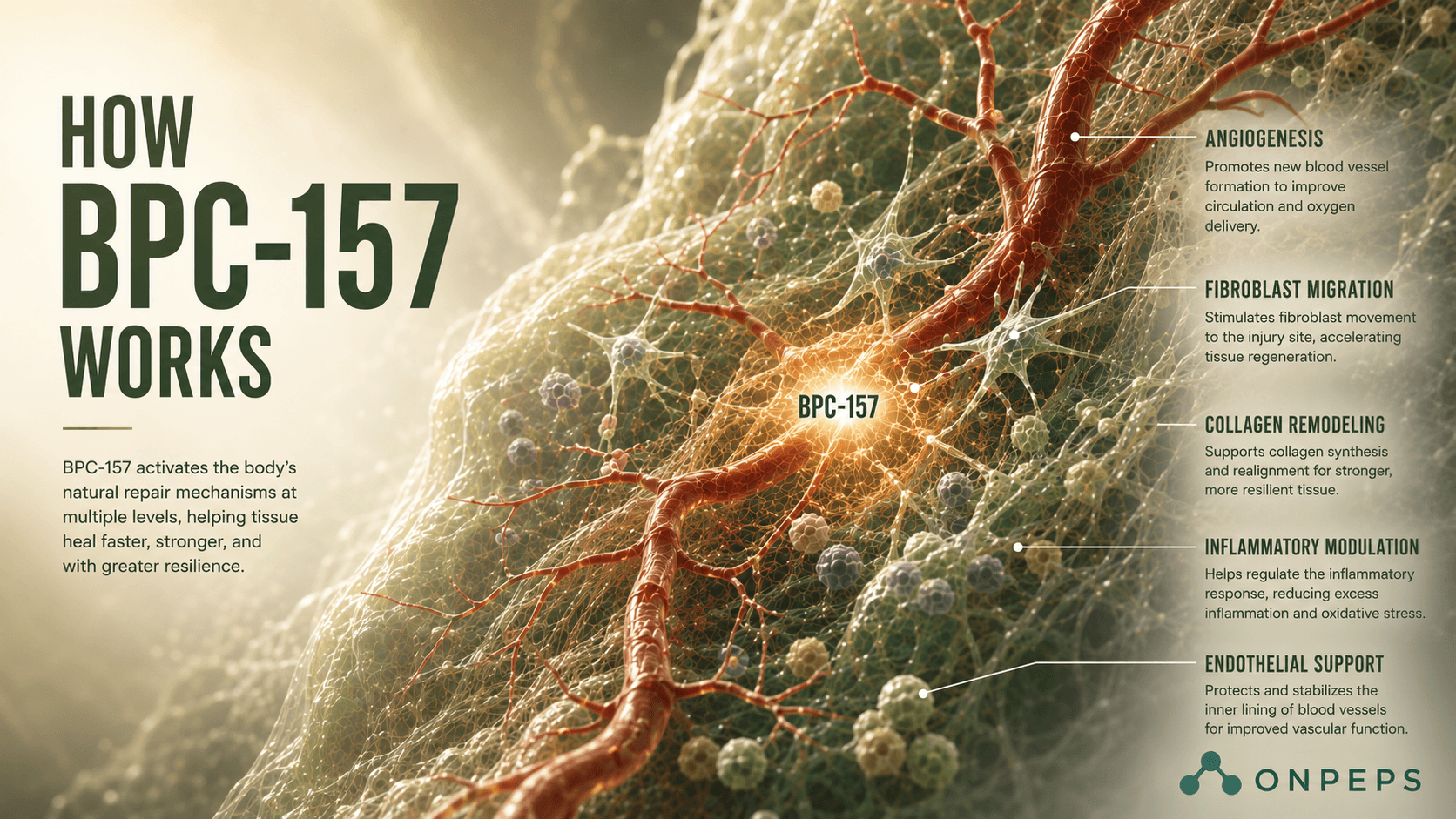
How BPC-157 Works?
The exact way BPC-157 works is debated, but a few characteristics can be seen again and again.
The peptide helps blood vessels grow and stay healthy, which speeds up the delivery of blood to injured areas.
It seems to calm inflammation rather than shut it off completely.
And it seems to boost the body's own natural defenses against cell damage.
It also works closely with the nitric oxide system, a chemical messenger the body uses to control blood flow.
Most of the research comes from animal studies, and even the researchers describe some of the effects as still unproven.
In our ongoing investigation into the real-world efficacy vs clinical evidence of BPC-157, we at ONPEPS noticed some interesting results over 53 real-world use cases.
We did our research to verify the facts and to find explanations as to what is truly effective when using BPC-157 in relation to the gut-brain axis.
As before, the users' real names and identities have been hidden for privacy reasons.
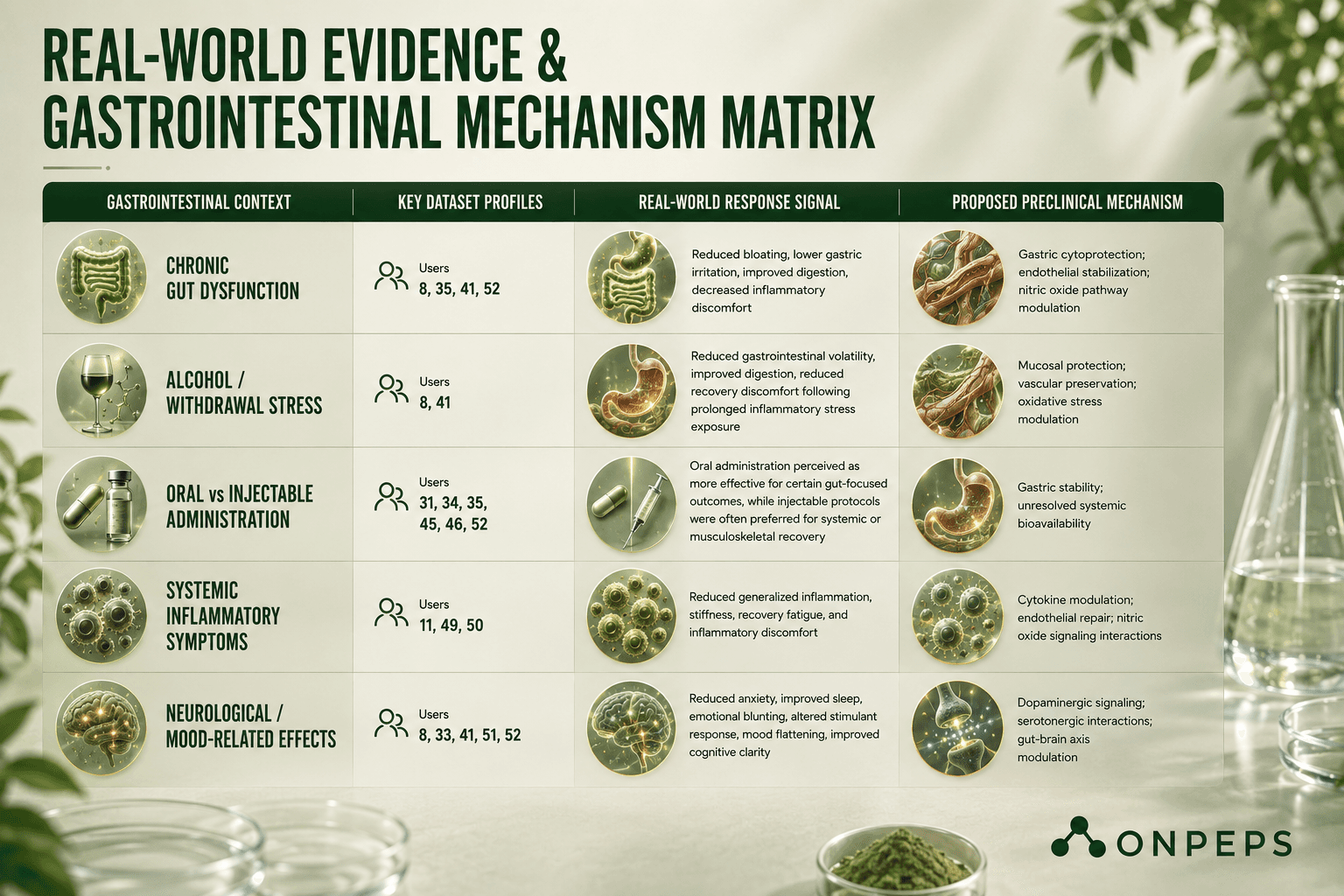
Real-World Evidence & Gastrointestinal Mechanism Matrix
Gastrointestinal Context | Key Dataset Profiles | Real-World Response Signal | Proposed Preclinical Mechanism |
Chronic Gut Dysfunction | Users 8, 35, 41, 52 | Reduced bloating, lower gastric irritation, improved digestion, decreased inflammatory discomfort | Gastric cytoprotection; endothelial stabilization; nitric oxide pathway modulation |
Alcohol / Withdrawal Stress | Users 8, 41 | Reduced gastrointestinal volatility, improved digestion, reduced recovery discomfort following prolonged inflammatory stress exposure | Mucosal protection; vascular preservation; oxidative stress modulation |
Oral vs Injectable Administration | Users 31, 34, 35, 45, 46, 52 | Oral administration perceived as more effective for certain gut-focused outcomes, while injectable protocols were often preferred for systemic or musculoskeletal recovery | Gastric stability; unresolved systemic bioavailability |
Systemic Inflammatory Symptoms | Users 11, 49, 50 | Reduced generalized inflammation, stiffness, recovery fatigue, and inflammatory discomfort | Cytokine modulation; endothelial repair; nitric oxide signaling interactions |
Neurological / Mood-Related Effects | Users 8, 33, 41, 51, 52 | Reduced anxiety, improved sleep, emotional blunting, altered stimulant response, mood flattening, improved cognitive clarity | Dopaminergic signaling; serotonergic interactions; gut-brain axis modulation |
Unlike the musculoskeletal dataset, the gastrointestinal reports showed gradual effects. Very few users described 'overnight recovery' narratives. Instead, most accounts involved:
reduced irritation
improved digestive stability
decreased bloating
lower inflammatory discomfort
improved tolerance to food
less gastrointestinal volatility during stress periods
User 8 provided one of the strongest gut-brain cases in the dataset. Years of alcohol abuse followed by heavy cannabis usage during withdrawal recovery had messed up his body. He reported severe brain fog, gastrointestinal distress, poor sleep, irritability, cognitive dysfunction, and what he called a "scorched" digestive system.
After beginning BPC-157 and TB-500, the Wolverine stack, user 8 experienced:
improved sleep quality
reduced digestive discomfort
better tolerance to food
improved mood
and reduced brain fog over the following weeks.
This overlap between gastrointestinal improvement and lifestyle changes appeared frequently throughout the dataset. However, compared to orthopedic injury cases, gut-related reports had more variables like diet changes, alcohol reduction, reduced stress, altered training intensity, sleep improvement, concurrent supplementation, probiotic use, and anti-inflammatory dietary interventions.
Because of these, it is more difficult to attribute the effects of BPC-157 when it comes to gastrointestinal results to peptide use alone.
What Human Studies on the Effects of BPC-157 Actually Show
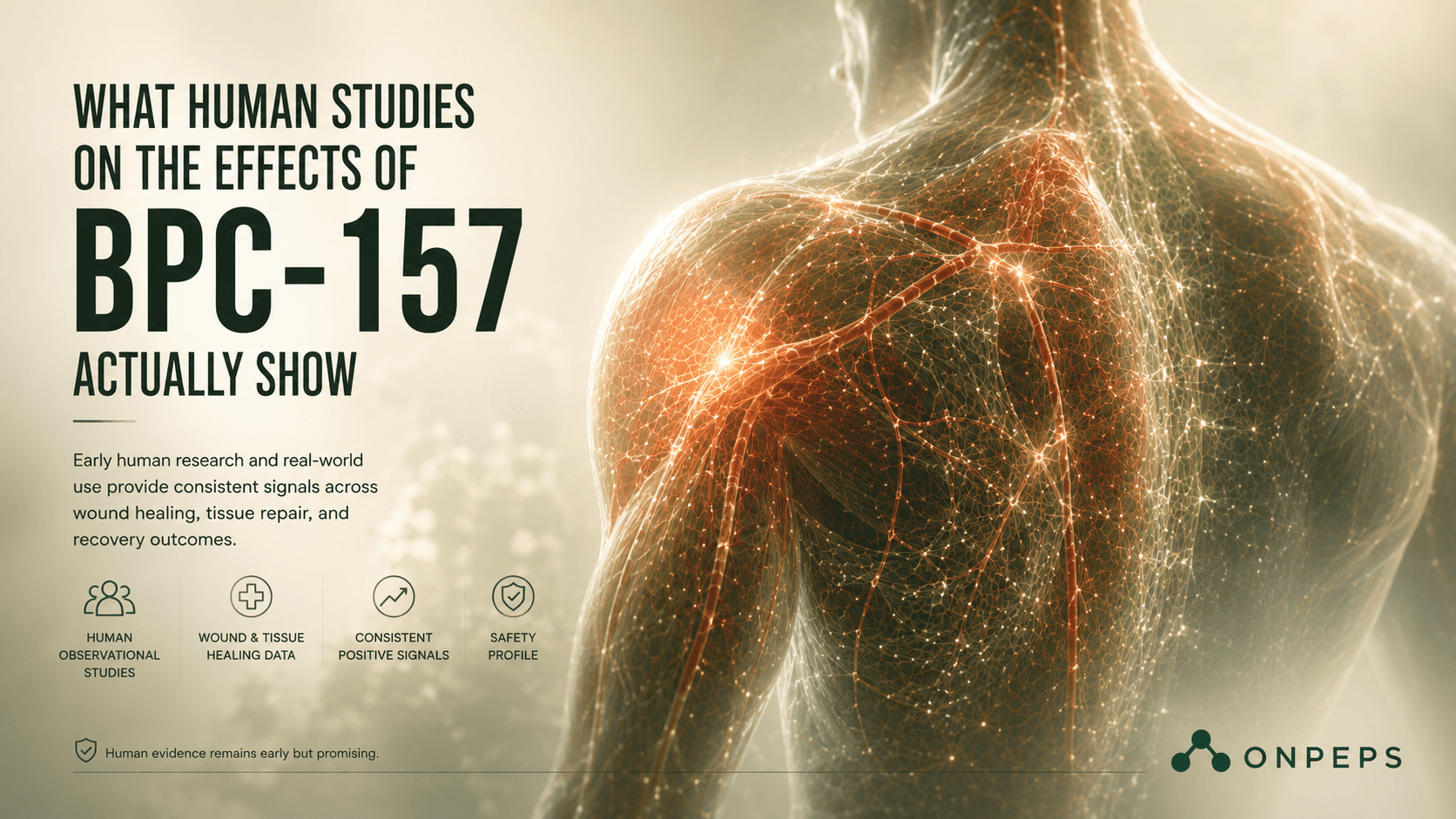
Before going further, it's worth being clear about how lacking the human evidence really is. Almost everything known about BPC-157 comes from animals. The human studies are few and small. Here are some of the most notable ones:
Older human trials involving ulcerative colitis are among the few gastrointestinal-focused studies ever conducted on BPC-157. Multiple reviews reference early Croatian clinical trials involving inflammatory bowel disease patients.
The peptide was reportedly investigated for mild-to-moderate ulcerative colitis with no major safety concerns reported. However, the complete datasets were never fully published, which makes independent evaluation difficult.
A small pilot trial in 12 people with interstitial cystitis, a painful bladder condition. After a single injection into the bladder, 10 of 12 reported their symptoms fully gone, and the other two reported about 80% better. No bad effects were reported.
A safety check in just two healthy adults given the drug by IV at up to 20 mg. No bad effects, normal blood work, and the drug cleared from the blood within 24 hours.
Some clinical trials in multiple sclerosis were conducted. No deadly dose was ever found.
A Phase I safety trial started in 2015 in 42 healthy volunteers, but the results were never published.
All of these are small, and several lack proper controls. The thing is that all of these showed promise but ultimately proved very little. With the growing usage of BPC-157 by people, new studies are required.
Oral vs Injectable BPC-157: Bioavailability, Absorption, and Effectiveness
Ah, yes, pills vs injections. This has to be one of the most debated discussions when it comes to taking BPC-157. More importantly, if oral administration can actually replicate injectable protocols. And this is not confined to real-world users but is also being discussed in research papers.
While many peptides are broken down rapidly by the digestive tract, that is not the case for BPC-157. It has shown remarkable stability in experiments, as seen in the Stable gastric pentadecapeptide BPC 157: novel therapy in gastrointestinal tract study by Sikirić et al.
The ease of taking pills and the belief that BPC-157 may affect the digestive tract directly, together, contributed to the growth of people taking the peptide orally.
Neither is there any definitive data that when it comes to BPC-157, that proves that oral pills are equal to or better than injections.
In our real-world cases, many users believed oral BPC-157 worked better for gut-related issues than injections.
User 31 described gradual shoulder recovery using only oral capsules dosed at 500mcg twice daily, although noticeable improvement reportedly took several weeks.
User 45 similarly described slow, gradual improvements using oral BPC-157 while also emphasizing the importance of product quality and third-party testing.
At the same time, User 35 believed injectable BPC-157 worked better for lower digestive tract issues.
User 52 reported oral capsules felt ineffective and caused flushing before later transitioning to injectable protocols.
And here again, we see why more clinical research is necessary. Because, compared to those who took the peptide for gut health, users who took BPC-157 for tendon joint recovery overwhelmingly preferred taking localized injections near the injuries.
This separation created a recurring peptide-community theory:
oral BPC-157 for gut-focused effects
injectable BPC-157 for musculoskeletal recovery
The problem remains that, yes, human-centric research shows promising gastric stability. But gastric stability and systemic bioavailability are not the same thing. While BPC-157 survives better in gastric juices than other peptides, we do not have enough human data to show things like how well it is absorbed or how long it lasts.
That said, there is some real absorption data. The issue, as we keep mentioning, is that it still comes from animals, not people.
When BPC-157 is injected into the muscle, the body absorbs roughly 14–19% of the dose in rats and 45–51% in dogs. It also clears out fast: its half-life, the time it takes for half the dose to break down, is under 30 minutes.
After injection, it spreads widely through the body, with the most ending up in the kidneys and the least in the brain. This suggests very little of it actually reaches the brain. The body then breaks it into six smaller pieces and clears them through urine, bile, and stool.
And here we should also mention that the studies don't fully agree on how long it lasts. The newer animal study above puts the half-life at under 30 minutes, and that's the better-supported figure.
An older 1996 study reported a half-life of around 66–69 hours after an oral dose, which is dramatically longer. But that older number should be handled with caution. It comes from a single 1996 report that later reviews keep citing secondhand, not from a modern, peer-reviewed study. The short half-life is the more reliable figure.
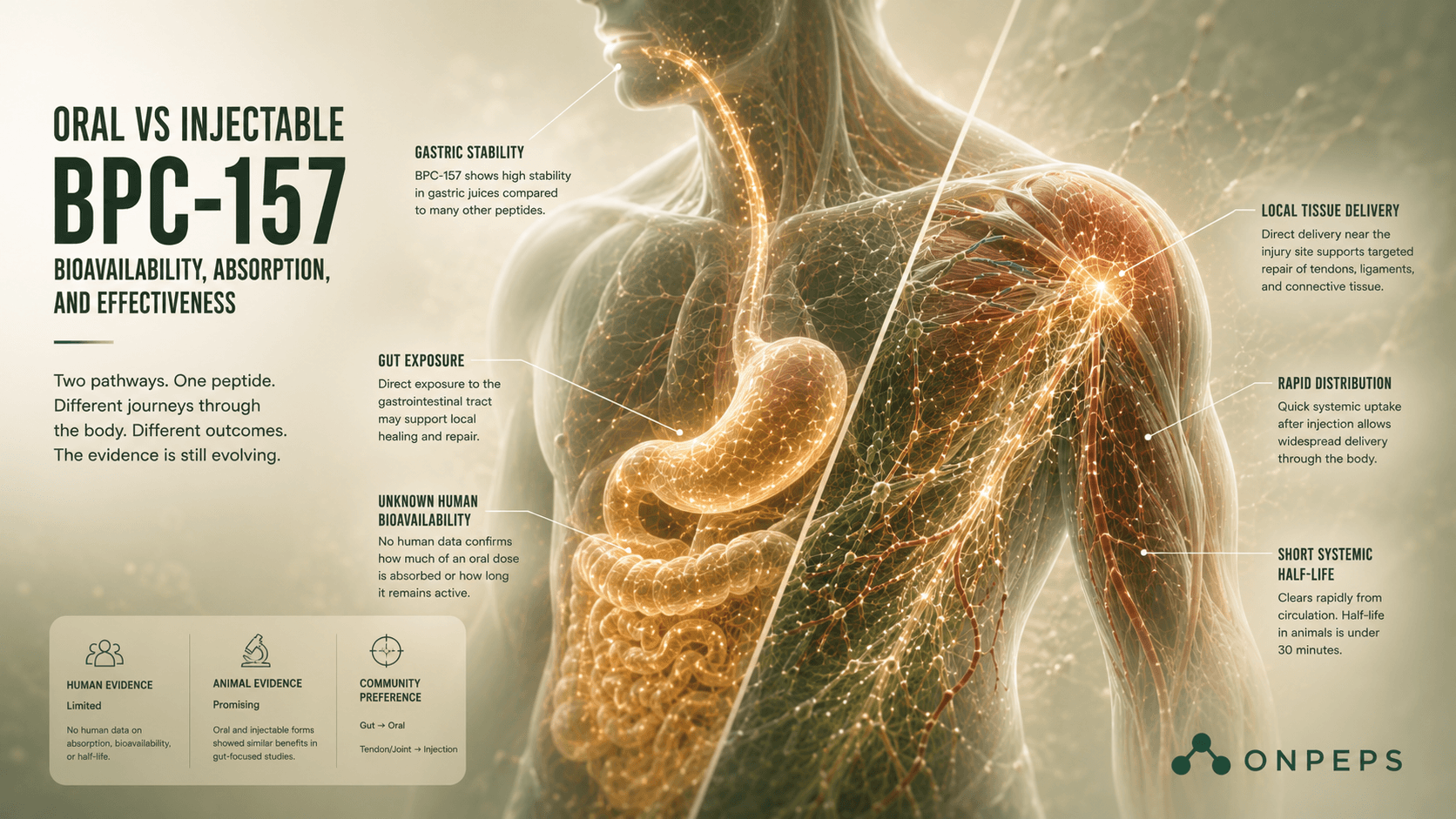
On whether it is better to take BPC-157 orally, the animal gut research is actually encouraging. In most rodent studies, giving BPC-157 by mouth, even mixed into drinking water, worked about as well as injecting it. And in a short-bowel study, both the oral and injected forms helped.
So the results are promising at least when it comes to animals with gut issues. What's still missing is the human angle. No study has shown how much of an oral dose a person actually absorbs, or whether a capsule truly matches an injection.
This is important because many users have started using BPC-157 orally, thinking it will have the same effects as when taken through injections.
Another issue involves dosing inconsistency. Oral protocols throughout the dataset varied substantially:
once-daily administration
multiple daily administrations
intermittent cycling
low-dose maintenance protocols
high-frequency experimental use
Without controlled research data, this cannot be treated as clinical facts, making the independent evaluation of oral versus injectable effectiveness difficult.
BPC-157, Inflammation, and Recovery: What Users Are Saying
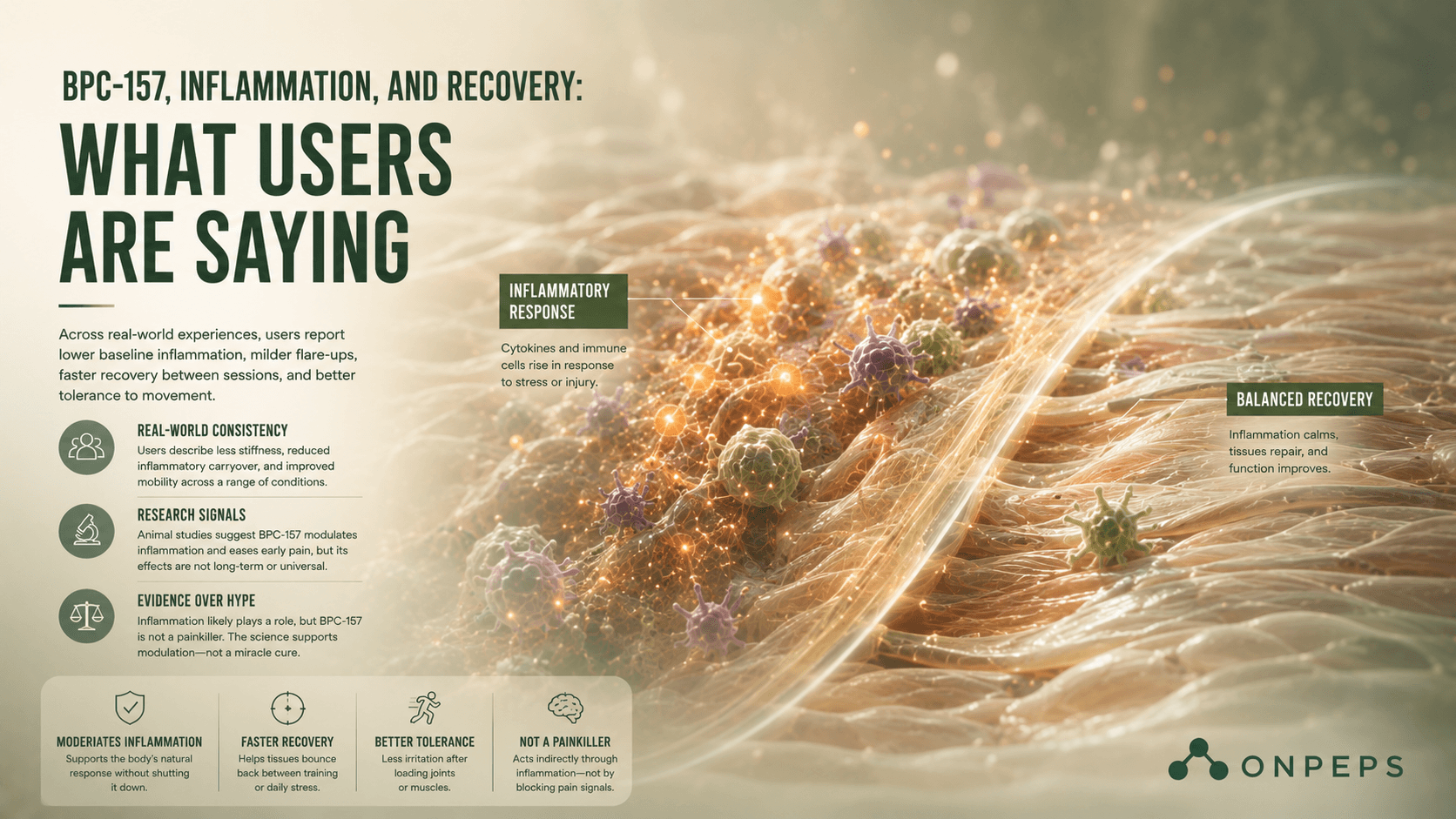
One of the strongest themes in both the research and our dataset is BPC-157 and inflammation. Most users did not report the sudden symptom shut-off that people get from corticosteroids or NSAIDs.
Instead, they described lower baseline stiffness, milder flare-ups, faster recovery between training sessions, and less inflammatory carryover. They also found better tolerance to movement and less irritation after loading a joint or muscle.
In our observation group, user 11 described a clear drop in general inflammation along with better mobility and less day-to-day pain during a combined peptide protocol.
User 49 reported that knee inflammation eased enough to delay conversations about knee replacement surgery, while also describing reduced menopausal symptoms and hot flashes during treatment.
User 50 similarly described rheumatoid arthritis becoming pretty much pain-free alongside reductions in blood pressure medication use.
But like everything else, we should not rush to conclusions. Reduced inflammation has become one of the most overused phrases in online peptide communities. Users seem to credit it for everything: pain, weight, mood, sleep, recovery, stiffness, and digestion.
But the evidence doesn't support that. Inflammation likely plays a part in several of these effects, but the exact biology in humans is still not well understood.
This also connects to how BPC-157 handles pain. In animal tests, BPC-157 eased the early, sharp phase of pain but not the longer, slow-burning phase. After surgery in rats, it raised the pain threshold early on, but the effect was gone within about a week.
In one standard heat-pain test, it did nothing at all. Researchers think the pain relief after using BPC-157 comes mainly from calming inflammation, not from blocking pain signals directly. There's even a surprising result: when given to mice that had already received morphine, BPC-157 actually weakened the morphine's pain relief.
So, the hype about BPC-157 miraculously curing all pain is debatable.
Reported Neurological and Psychological Effects
Some of the more unusual findings in the BPC-157 literature involve proposed interactions between gastrointestinal stability, neurotransmitter systems, and neurological signaling pathways.
Simply put, BPC-157 has been found to not only heal the gut but also interact with the nervous system, actively influencing neurotransmitter balance and brain signaling.
Several papers explored:
dopaminergic signaling
serotonergic interactions
nitric oxide pathway modulation
neuroprotective activity
gut-brain axis relationships
These discussions led to more interest in whether gastrointestinal stabilization might indirectly influence mood regulation, stress tolerance, cognitive clarity, reward signaling, and emotional stability.
The 53 users' observational dataset produced highly mixed results.
Some users described:
improved calmness
reduced stress reactivity
improved sleep
lower anxiety during recovery
better overall well-being following gastrointestinal improvement
Others reported:
emotional blunting
anhedonia
altered stimulant response
decreased motivation
unusual mood flattening
Researchers suggest BPC-157 does not boost brain activity like a stimulant. Instead, it acts as a stabilizer, keeping dopamine and serotonin levels balanced within a normal range.
The animal data backs this up in a striking way: a single dose lowered serotonin production in the brain, while long-term use raised it. In the gut, it brought failing muscle valves back toward normal pressure. In a healthy system, all BPC-157 does is to correct things that are out of balance.
Several experimental papers also explored interactions involving dopamine pathways, serotonin signaling, and alpha-2 adrenergic activity, particularly within stress-response and behavioral regulation models.
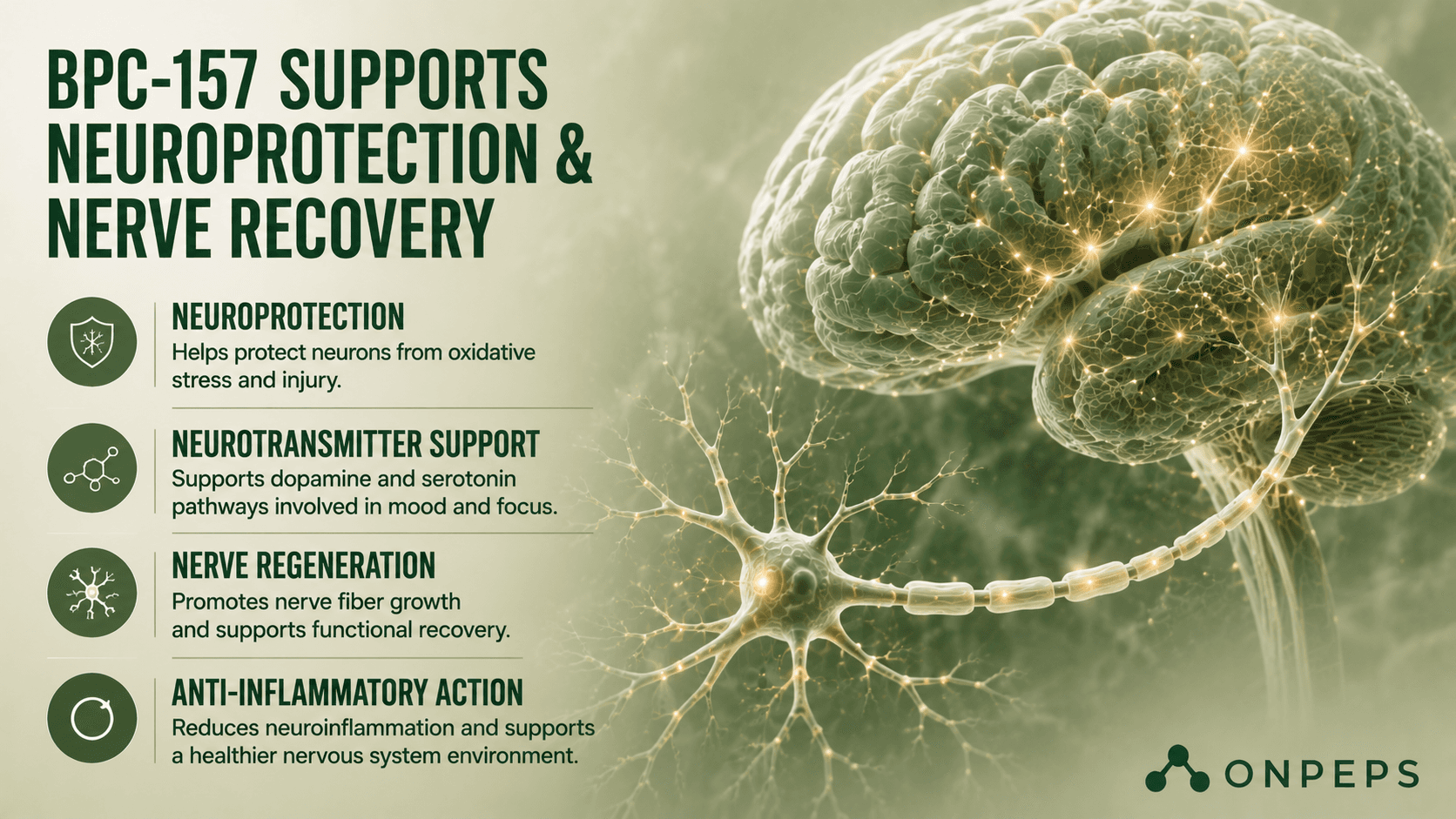
Instead of continuously increasing brain chemicals, BPC-157 prevents them from going too high or too low. In practice, this stabilization can cause some users to feel emotionally flat, experience less pleasure from daily activities, or feel a lack of strong emotions, especially when taken in high doses or over a long period.
User 33 specifically described feeling emotionally "muted" after prolonged peptide use despite improvement in physical recovery markers.
User 41 reported severe anxiety, bloating, headaches, and gut pain after oral BPC-157 use.
User 51 specifically monitored for possible anhedonia and stimulant interaction concerns while taking methylphenidate during peptide use.
User 52 also described reduced anxiety, improved digestion, and more regular bowel movements after switching from oral capsules to injectable administration.
These reports on mood changes have evidence in research, too. Our observational data suggests some users' reporting anxiety, low mood and depression, loss of appetite, tiredness, trouble sleeping, and a flat, joyless feeling.
But there are three very important things to remember here.
These are self-reported accounts, not findings from controlled studies.
No one has shown that BPC-157 actually causes these effects; the link is completely unproven.
Many of the peptides being bought are unregulated and may be impure or wrongly dosed. That means the product itself is to blame, not BPC-157.
At present, the evidence remains too inconsistent to support definitive conclusions regarding neurological or psychiatric effects. Multiple overlapping factors could contribute simultaneously:
chronic pain reduction
improved sleep
placebo response
inflammatory improvement
stress reduction
altered training volume
neurotransmitter interactions
expectation bias
Still, the frequency of recurring mood-related observations across unrelated users suggests that the issue needs to be researched before drawing any conclusions.
BPC-157, Safety So Far
Well, let's kick the hornet's nest, shall we? Perhaps one of the most debated topics between peptide users and skeptics. The safety scenario is reassuring, but thin.
In animal tests, researchers were never able to find a dose that killed the animals, even at high amounts, and repeated dosing over 28 days caused no clear problems.
One study in pregnant rats found no harm to the babies. The main practical warning: when the drug is injected mixed in plain water or saline, it can cause pain or tissue damage at the injection site. And as we keep mentioning, the bigger caution is simply how little human safety data exists. Only a handful of small studies exist, and the largest of them was never even published.
Is BPC-157 Banned in Sports?
Yes. The World Anti-Doping Agency has listed BPC-157 since 2022 under Section S0 (Non-Approved Substances), which covers any drug not approved for human use.
That means it is prohibited for tested athletes at all times, both in and out of competition, with no therapeutic-use exemption, and the ban is still in force on the 2026 list.
Ending On A Promising Note
Yes, a large share of all BPC-157 research comes from a single research team, and independent labs still need to confirm the findings. But human beings are curious by nature, and the commercial availability of BPC-157, combined with mainstream popularity, has increased the number of real-world users to millions.
So while clinical research might be in the pipeline, there is ample evidence from users worldwide about the positive effects of BPC-157 when it comes to its effects on the gut-brain axis, musculoskeletal healing, and recovery.
This should pave the way for more research and more regulated quality peptides worldwide, so that you, the users, can make informed decisions.
FAQ:
Can BPC-157 Influence Tight Junction Proteins and Intestinal Barrier Integrity?
Animal studies show that BPC-157 can strengthen the physical barrier of the gut. It appears to act like a cellular glue, tightening the microscopic gaps between intestinal cells to prevent unwanted particles from leaking through. While this helps explain its use for "leaky gut" in animal models, these exact structural repairs have not yet been proven in humans.
What Is the Relationship Between BPC-157, Zonulin, and “Leaky Gut”?
"Leaky gut" happens when the protective seals in your intestinal lining break down, a process often controlled by specific proteins in the body. While BPC-157 is popular for gut healing, research suggests it works by directly repairing and reinforcing the gut tissue itself, rather than by altering those control proteins. How exactly it achieves this sealing effect is still being studied.
Does BPC-157 Affect NF-kB, Cytokines, or Other Inflammatory Signaling Pathways?
Yes. In lab settings, BPC-157 has been shown to calm the immune system by turning down the body's primary inflammatory alarms. It actively blocks the release of chemical messengers that cause swelling, pain, and tissue damage. However, scientists are still trying to figure out the exact biological switch BPC-157 flips to start this calming process.
Can BPC-157 Influence Macrophage Activity and Immune-System Signaling?
Yes, animal research suggests BPC-157 helps the immune system switch gears from "attack mode" to "repair mode." Instead of continuously fighting and causing chronic inflammation, it encourages immune cells to start cleaning up damaged tissue and promoting healing. These promising immune-balancing effects still need to be verified in human trials.
Is There Any Evidence That BPC-157 Interacts With the Gut Microbiome?
The current evidence suggests BPC-157 does not directly interact with or change your gut bacteria. Instead, its main job is to heal the physical tissue of the gut lining. By repairing the damaged environment, it creates a healthier home for your microbiome to balance itself naturally, but it doesn't actively shift the bacteria on its own.
Do Researchers Know How Oral BPC-157 Crosses the Intestinal Barrier?
The short answer is no. Even though oral BPC-157 survives stomach acid and shows healing effects in animal bodies, scientists do not yet know exactly how it passes through the gut lining and into the bloodstream. Because human absorption data is missing, the exact route it takes to work systemically remains a mystery.
Can BPC-157 Influence VEGF, Angiogenesis, and Blood Vessel Repair?
Yes, one of the most consistent findings in animal research is that BPC-157 helps build new blood vessels. It triggers the body to form fresh capillary networks, rapidly increasing blood flow to damaged or oxygen-starved tissues. This boost in circulation is believed to be the main reason it speeds up the healing of deep wounds and injuries.
Does BPC-157 Affect Fibroblast Activity, Collagen Organization, or MMP Signaling?
In animal studies focused on tendon and ligament injuries, BPC-157 has been shown to speed up recovery by boosting collagen production. It signals the body's repair cells to multiply faster and rebuild structural tissue. A major focus of current research is how it manages to encourage this rapid rebuilding without creating stiff, excessive scar tissue.
Why Is BPC-157 Still Not FDA-Approved Despite Growing Popularity?
BPC-157 has not gone through the massive, highly controlled human clinical trials required to prove it is safe and effective for the general public. Because it lacks this fundamental human testing, the FDA considers it an experimental compound with unknown long-term risks, preventing it from being approved as a legal medical treatment.
How Big Are the Concerns Around Peptide Purity, Contamination, and Third-Party Testing?
The concerns are very high. Because BPC-157 is an unapproved, experimental chemical, you cannot get a standardized, pharmaceutical-grade version at a normal pharmacy. Most users buy from unregulated online suppliers, meaning without strict, independent lab testing, there is no reliable way to know exactly what is in the vial or if it is safe to use.
Resources:
Sikirić et al. (2024). https://www.mdpi.com/1424-8247/17/4/461
Józwiak et al. (2025). https://www.mdpi.com/1424-8247/18/2/185
Yuan et al. (2026). https://www.mdpi.com/1422-0067/27/6/2876
Seiwerth et al. (2021). https://www.frontiersin.org/journals/pharmacology/articles/10.3389/fphar.2021.627533/full
Sikirić & Hahm et al. (2019/2020). https://pmc.ncbi.nlm.nih.gov/articles/PMC7096228/
Sikirić et al. (2011). https://pubmed.ncbi.nlm.nih.gov/21548867/
USADA — BPC-157 prohibited status. https://www.usada.org/spirit-of-sport/bpc-157-peptide-prohibited/