Key Takeaways:
BPC-157 is most strongly associated with tendon healing and connective tissue recovery.
The strongest peptide therapy reports involved shoulders, Achilles injuries, chronic overuse conditions, and post-surgical rehab.
Animal studies repeatedly showed effects involving angiogenesis, collagen organization, and fibroblast migration.
Many users combined BPC-157 with rehabilitation, mobility work, and physical therapy rather than using it alone.
Acute injuries often improved faster, while chronic degenerative conditions usually required longer timelines.
Response variability was significant, with some users reporting dramatic improvement and others reporting no benefit.
Most evidence remains preclinical, with limited controlled human research currently available.
BPC-157, also referred to as the Wolverine peptide, is an experimental regenerative peptide derived from a protective gastric protein sequence known as Body Protection Compound-157. It is becoming increasingly popular in sports rehabilitation, peptide therapy, biohacking, musculoskeletal recovery, and gastrointestinal health communities.
Most of the research is focused on tendon healing, connective tissue recovery, inflammatory regulation, angiogenesis, and gastrointestinal protection. Some studies explore nitric oxide signaling, fibroblast migration, collagen organization, endothelial function, and tissue repair processes.
Experimental literature has also investigated VEGF and VEGFR2 signaling, growth hormone receptor expression in tendon fibroblasts, neurotransmitter modulation, and neuroprotective pathways involving the dopaminergic and serotonergic systems.
Despite these findings, the majority of published data remains preclinical and comes from rodent and animal models, rather than human trials.
But that hasn't stopped people from self-directed experimentation. If we look at forums, sports recovery groups, and biohacking circles, there are thousands of users who have documented their protocols. These involve oral capsules, injectable administration, localized subcutaneous injections, systemic strategies, and combination stacking.
Their feedback frequently describes accelerated recovery, reduced inflammatory pain, improved mobility, gut health improvements, and post-surgical rehabilitation support. But other users have also reported inconsistent outcomes and ongoing concerns surrounding bioavailability, dosing variability, long-term safety, and product quality.
We at ONPEPS have been looking into real-world use cases, peptide-user feedback, and connecting scientific research with human experiences. We do not look at personal stories as isolated events. Instead, we group common experiences into clear patterns. This includes how people use the compound, its side effects, and how it acts.
There is an important distinction to note here. This data comes directly from daily life, not a controlled environment. Regular users with everyday jobs, lives, health concerns, injuries, and loved ones with diseases where traditional approaches have not worked, but peptides have.
Many other factors could explain the results. Injury severity and quality differences between suppliers also play a role. Always consult a medical professional before making biohacking decisions.
We have analyzed over 50 documented BPC-157 use cases and divided the findings into three categories:
BPC-157 Mechanisms, Injury Recovery & Musculoskeletal Healing
BPC-157 Gut Health, Side Effects, Neurological Effects & Safety Concerns
For privacy reasons, we will refer to them as User 1 to 53.
What Is BPC-157?
BPC-157, short for Body Protection Compound-157, is a synthetic pentadecapeptide derived from a naturally occurring gastric protein sequence. Scientists first became interested in this compound because they found it protects the stomach and gut. Later, studies on animals showed it had a broader area of impact. It can help heal muscles and bones. It also supports blood vessels and controls inflammation. Finally, research shows it helps with nerve recovery, wound healing, and protecting organs.
Unlike many experimental peptides focused on a single receptor target or hormonal pathway, BPC-157 appears to influence multiple signaling systems simultaneously. Published literature repeatedly references interactions involving nitric oxide pathways, angiogenic signaling, fibroblast activity, collagen organization, endothelial repair, oxidative stress modulation, and neurotransmitter systems. This is unusually broad and explains the growing interest.
The modern popularity of BPC-157 comes from sports rehabilitation and biohacking communities rather than traditional clinical medicine. Athletes, bodybuilders, combat-sports competitors, and chronic pain sufferers began circulating personal stories describing improvements in tendon injuries, ligament recovery, muscle strains, joint pain, inflammatory conditions, and post-surgical rehabilitation.
But there is a significant lack of scientific evidence when it comes to BPC-157. Right now, proof in humans is limited. It mostly comes from small, early studies and personal stories. It also includes discussions of specific individual cases. The rest of the research comes from lab tests on animal tissues. Scientists use these lab tests to guess how the compound might work in humans.
Several review papers explicitly note that formal clinical validation of BPC-157 does not even come close to public discussion and commercial interest.
This gap between limited research and real-world use has created an unusual evidence environment. On one side, studies repeatedly demonstrate strong regenerative and cytoprotective effects in animal models. On the other side, long-term human safety data, standardized dosing protocols, and controlled efficacy trials remain extremely limited.
But BPC-157 continues gaining momentum in real-world users because it simply works in places where modern rehabilitation medicines don't:
slow tendon healing
connective tissue recovery
chronic inflammatory pain
post-surgical fibrosis
overuse injuries
impaired vascularization
gastrointestinal barrier dysfunction
recovery bottlenecks in repetitive stress conditions
It's quite clear that the regenerative properties of BPC-157, especially when it comes to tissue repair, have only increased the buzz around this peptide.
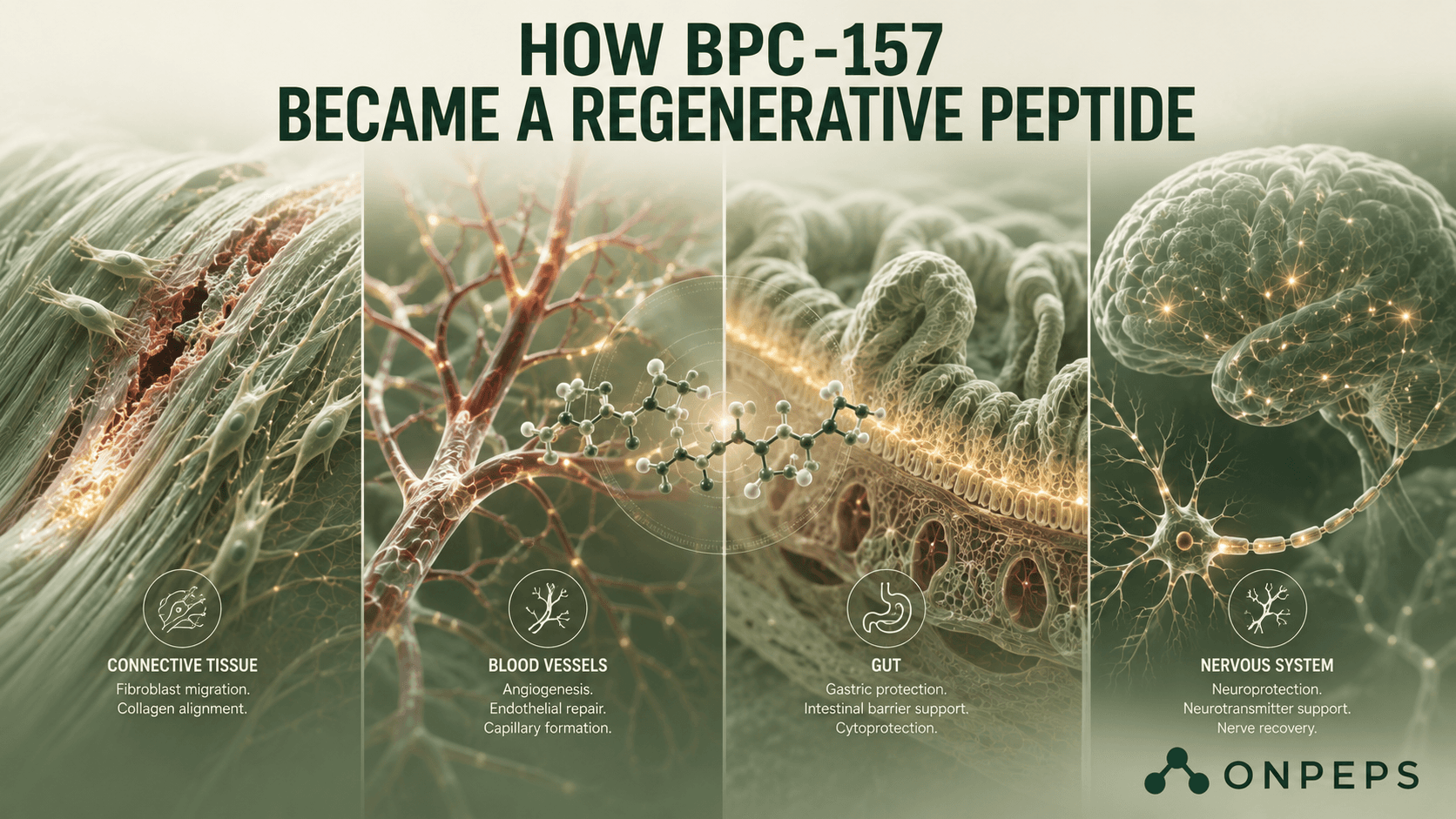
How BPC-157 Became a Regenerative Peptide
The regeneration conversation surrounding BPC-157 comes largely from repeated findings involving:
Angiogenesis: Growing new blood vessels to increase blood flow.
Tendon fibroblast migration: Moving healing cells directly to an injured tendon.
Collagen organization: Arranging tissue fibers neatly so they stay strong.
Wound closure acceleration: Making cuts or wounds heal and close faster.
Nitric oxide modulation: Adjusting a gas molecule that controls blood pressure and flow.
Endothelial protection: Guarding the delicate inner lining of blood vessels.
Anti-inflammatory signaling: Telling the immune system to turn down swelling.
Tissue remodeling pathways: The body's process for rebuilding and perfecting repaired tissue.
This multi-system activity maps directly onto what users in the dataset described. User 11 reported simultaneous resolution of back pain, sciatica, and systemic inflammation. User 52 noted improved digestion alongside shoulder recovery. Neither outcome fits a single-pathway explanation.
Several tendon-focused studies demonstrated accelerated healing in transected Achilles tendon models alongside improved fibroblast survival and migration.
Additional animal models reported improved healing in ligament injuries, muscle crush injuries, quadriceps transections, tendon-to-bone healing environments, and corticosteroid-impaired healing models.
Researchers also observed effects extending beyond isolated tissue repair. Some studies explored the gut-brain axis, dopamine activity, serotonin signaling, and neuroprotection. Others focused on vascular recovery and broader protective effects throughout the body.
This is why BPC-157's perception as a 'systemic recovery peptide' grew within biohacking and peptide communities.
But there is some skepticism as well. Some scientists wonder if this compound truly has so many different benefits. They worry that people are taking results from animal tests and assuming they apply to humans without any real proof.
That tension defines much of the current BPC-157 landscape. There is an unusually broad preclinical promise but limited human validation. Extensive personal enthusiasm but limited significant research interest.
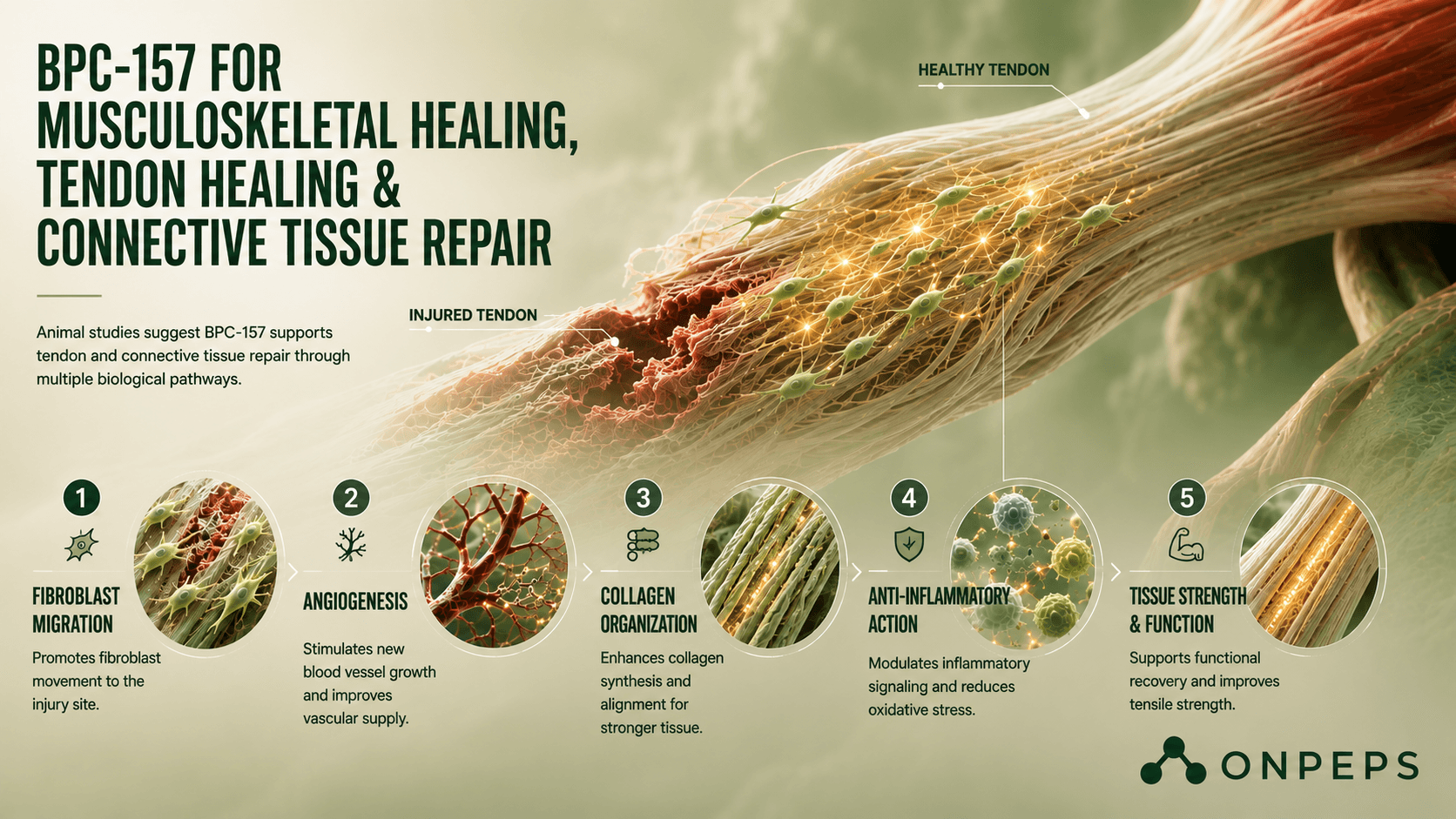
BPC-157 for Musculoskeletal Healing, Tendon Healing & Connective Tissue Repair
At the center of the published BPC-157 literature and the real-world observational dataset sits connective tissue repair.
Across the 53-user dataset, performance enhancement use was not even among the top 5 reasons why people were using the peptide.
The majority were using them for:
chronic tendon disorders
degenerative shoulder pathology
recurring Achilles injuries
lumbar pain syndromes
meniscus irritation
elbow tendinopathy
and post-traumatic joint dysfunction.
This pattern closely matches scientific research. Most BPC-157 studies focus on healing soft tissues like muscles, tendons, and ligaments. The compound helps grow strong tissue fibers and moves healing cells directly to the injury. Studies also show it repairs blood vessels and improves blood flow.
Real-World Evidence & Preclinical Mechanism Matrix
Target Tissue Pathology | Key Dataset Profiles | Real-World Response Signal | Proposed Preclinical Mechanism |
Chronic Tendinopathy (Elbow/Achilles) | Users 2, 12, 18, 40, 53 | Delayed-onset (3–6 weeks); reduction in post-loading flare windows; restoration of internal range of motion (ROM). | Upregulation of Growth Hormone Receptors in tendon fibroblasts: FAK-Paxillin migration axis. |
Acute Trauma / Post-Surgical | Users 10, 24, 36, 48 | Hyper-accelerated functional milestones; rapid reduction in protective guarding behaviors. | Accelerated VEGF/VEGFR2-mediated angiogenesis; early-stage granulation tissue organization. |
Complex Spinal Pathology | Users 11, 19, 21 | Highly divergent; complete symptom elimination vs. absolute non-response. | Variable depending on etiology (connective tissue repair vs. structural nerve compression or central sensitization). |
That distinction matters because the majority of long-term responders in the dataset did not describe simple short-term pain suppression.
More commonly, they described restored movement, reduced flare frequency, improved tolerance to mechanical loading, and fewer reinjury cycles. Many of them experienced faster recovery between training sessions, and the gradual disappearance of what many referred to as “structural fragility” sensations.
Several users explicitly stated the difference between pain reduction and actual recovery progression. User 53, who tracked a six-week BPC-157 cycle for MRI-confirmed supraspinatus tendinopathy, repeatedly emphasized that the recovery pattern felt absolutely different to him than what he had been able to achieve through a year of physical therapy.
But what is the reason that BPC-157 is so effective with long-term wear and tear?
Research shows that tendons heal slowly because they have a poor blood supply and slow cell renewal. They have a dense tissue structure that takes time to rebuild under physical stress. Animal studies on cut Achilles tendons show that BPC-157 accelerates recovery.
The compound activates healing cells, creates stronger tissue alignment, and restores physical strength. Research also shows that BPC-157 increases growth hormone receptors in tendon cells. This suggests the peptide triggers a broad network of healing signals rather than relying on just a single pathway.
There is not a lot of research evidence on human models that proves this. Nearly all findings originate from rodent or animal models. Still, the overlap between the published tendon literature and the real-world user dataset is not something we can ignore. The strongest responses observed in humans match the same tissue categories that have been heavily studied experimentally.
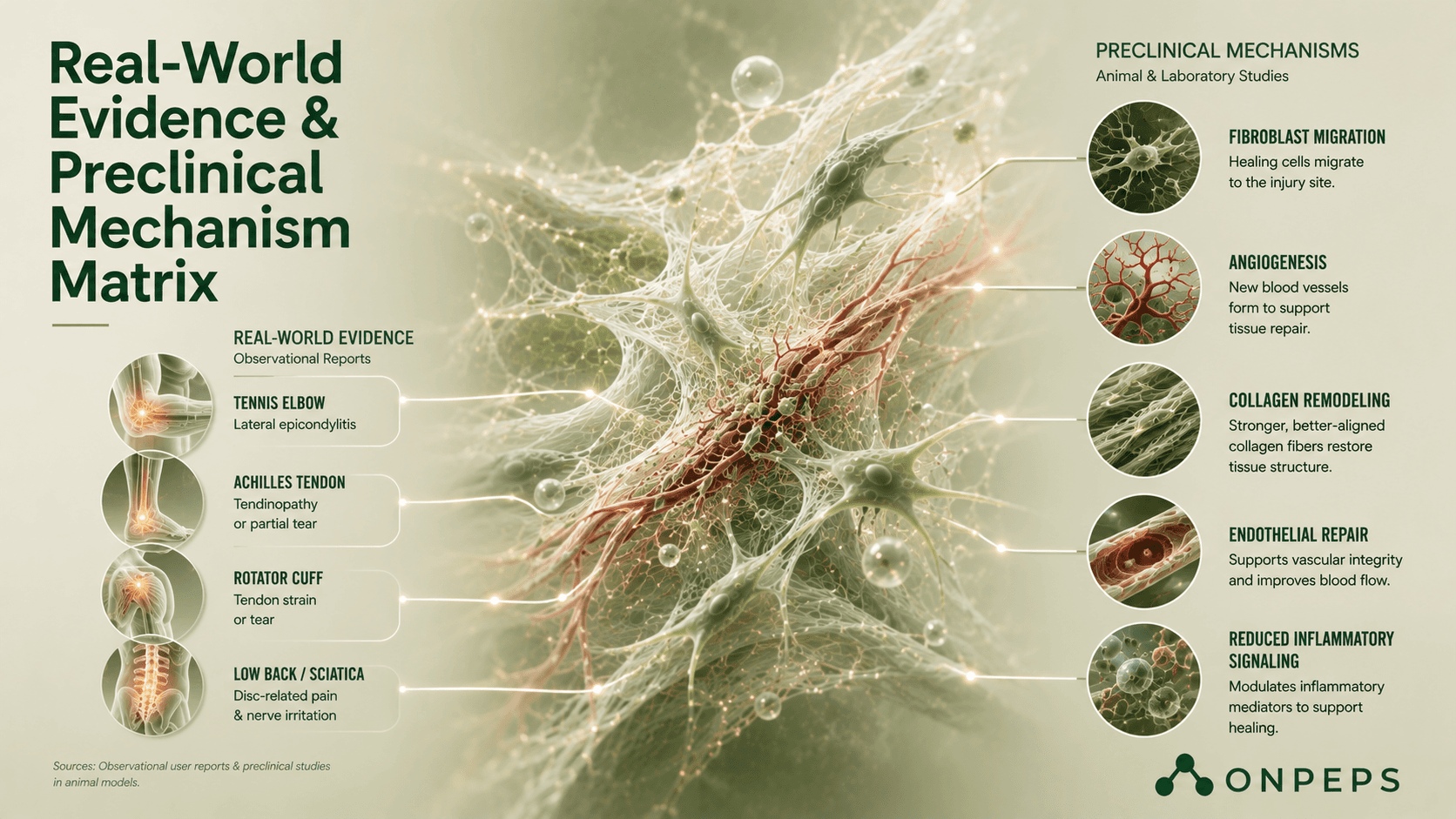
Chronic Elbow Injury Recovery with BPC-157
Tennis elbow and golfer’s elbow showed some of the clearest, most consistent patterns in the dataset.
Users 2, 17, 18, 29, and 40 all reported chronic elbow injuries that failed to improve despite extensive medical care. Their histories included failed physical therapy, cortisone shots, and plasma injections. All faced ongoing pain under strain and were unable to fully return to their sports.
User 2 had bilateral tennis elbow lasting several years and described previous cortisone and plasma injections as expensive interventions that only produced temporary relief. After switching to localized BPC-157 and TB-500 injections, recovery reportedly occurred gradually over several months until the elbows became 90% healed. The user repeatedly emphasized local injection technique. They eventually began applying the same strategy to knee pain and arthritic finger symptoms.
User 18 reported an even stronger response. After years of chronic tennis elbow and thousands spent on injections, the user described his recovery after using BPC-157 as "mental". The elbow issue never returned.
But here is the issue. There were also users who did not experience the same benefits after using the peptide. User 17 completed a 14-week protocol involving 500mcg BPC-157 and 500mcg TB-500, yet described no benefit whatsoever.
This highlights one of the most common issues we found in the dataset. Some chronic tendon cases improved dramatically while others appeared completely resistant.
Several factors likely caused these different results. These include how long the injury had lasted, the amount of tissue breakdown, and the quality of physical therapy. Other variables include the injection method, compound purity, how the joint was used, diagnostic accuracy, and natural healing differences.
Tennis elbow itself is also frequently misunderstood. The chronic form of this injury acts less like sudden inflammation and more like long-term tissue degeneration. This involves tangled tissue fibers, failed healing, abnormal new blood vessel growth, and ongoing strain. A regenerative compound might theoretically help during certain stages of this breakdown. However, it may have little effect once the damage becomes too advanced.
Another recurring pattern involved combining BPC-157 with physical therapy. User 1 believed rehab therapy and stretching focused the 'healing' by creating controlled inflammatory signaling within recovering tissue.
User 53 continued structured mobility work and conservative load management throughout the entire BPC-157 cycle. User 40 continued playing tennis and swimming despite ongoing recovery.
This pattern appears repeatedly throughout the data:
Users with the strongest recovery consistently kept up with their physical therapy.
Those who saw no improvement often skipped a structured rehabilitation plan.
Taking the peptide alone was rarely enough to fully heal long-term wear-and-tear injuries.
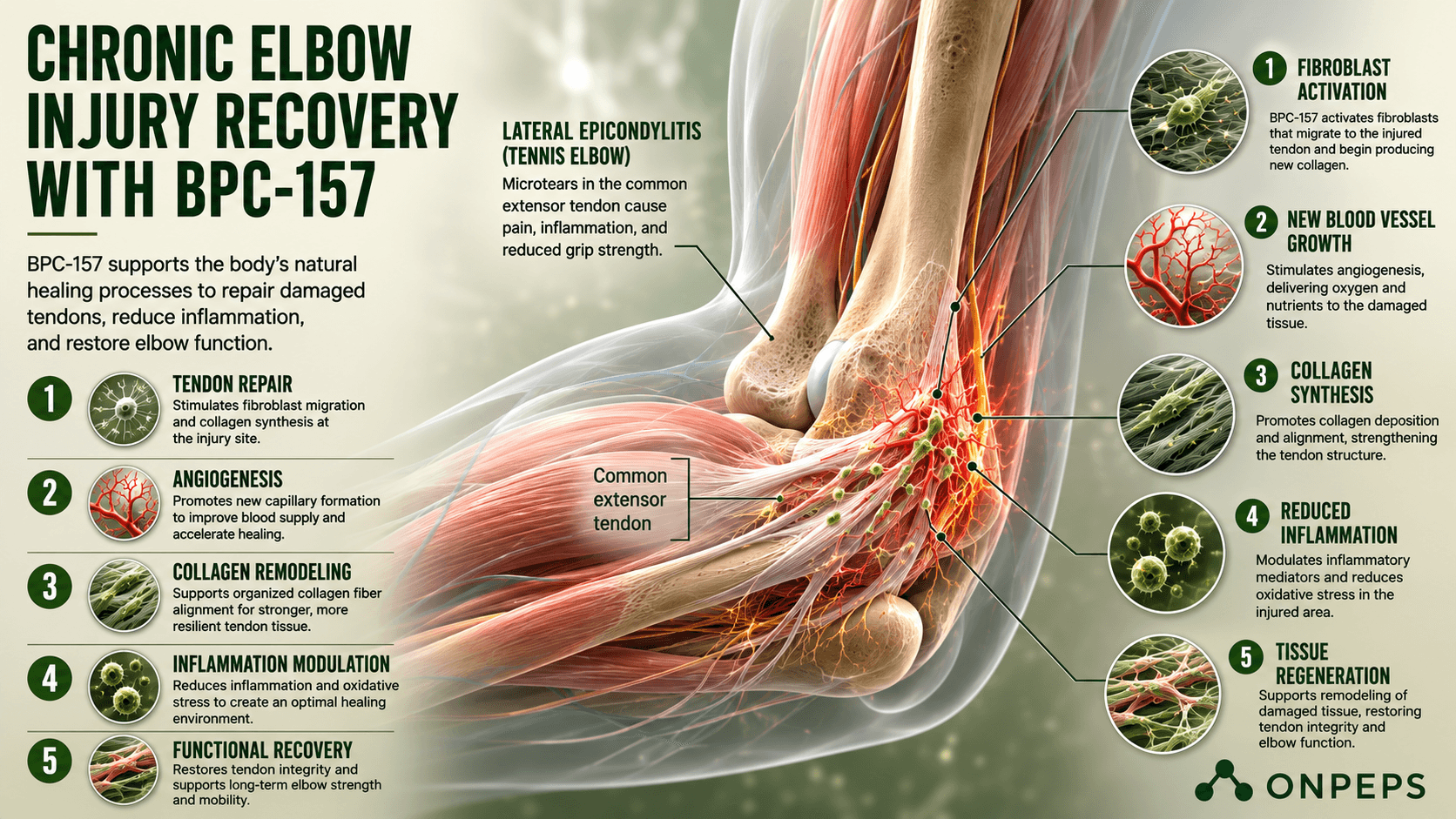
BPC-157 for Achilles Tendon Recovery & Lower Limb Healing
Achilles injuries formed another major group in the dataset. Users 1, 12, 14, 20, 22, 39, and 44 all described Achilles-related issues ranging from chronic tendinitis to severe structural damage.
This is important because Achilles tendon models are among the most thoroughly researched areas in BPC-157 scientific literature.
Experimental findings repeatedly demonstrated:
accelerated tendon outgrowth
improved collagen organization
enhanced fibroblast migration
stronger biomechanical recovery
improved healing under corticosteroid-impaired conditions
User 12 reported bilateral Achilles tendinitis lasting over a year with daily pain rated around 7/10 VAS (Visual Analog Scale) despite eccentric loading and physical therapy. After introducing:
250mcg BPC-157 near each Achilles twice daily
1mg TB-500 every three days
the pain reportedly fell from 7/10 VAS to 2/10 VAS within two weeks.
User 1 described an ankle injury that persisted for years before gradual improvement eventually reached the point where it was no longer a concern at all.
User 39 provided one of the more nuanced accounts. He has suffered repeated calf tears from soccer and multiple reinjuries caused by returning too quickly. For him, BPC-157 worked but only when he combined it with rehabilitation, message, recovery, and correct loading progression.
He absolutely rejects the idea that peptides are miracles in a vial, which is often promoted by influencers. But the skepticism is actually very reasonable. It removes the noise from the marketing hype created around peptides.
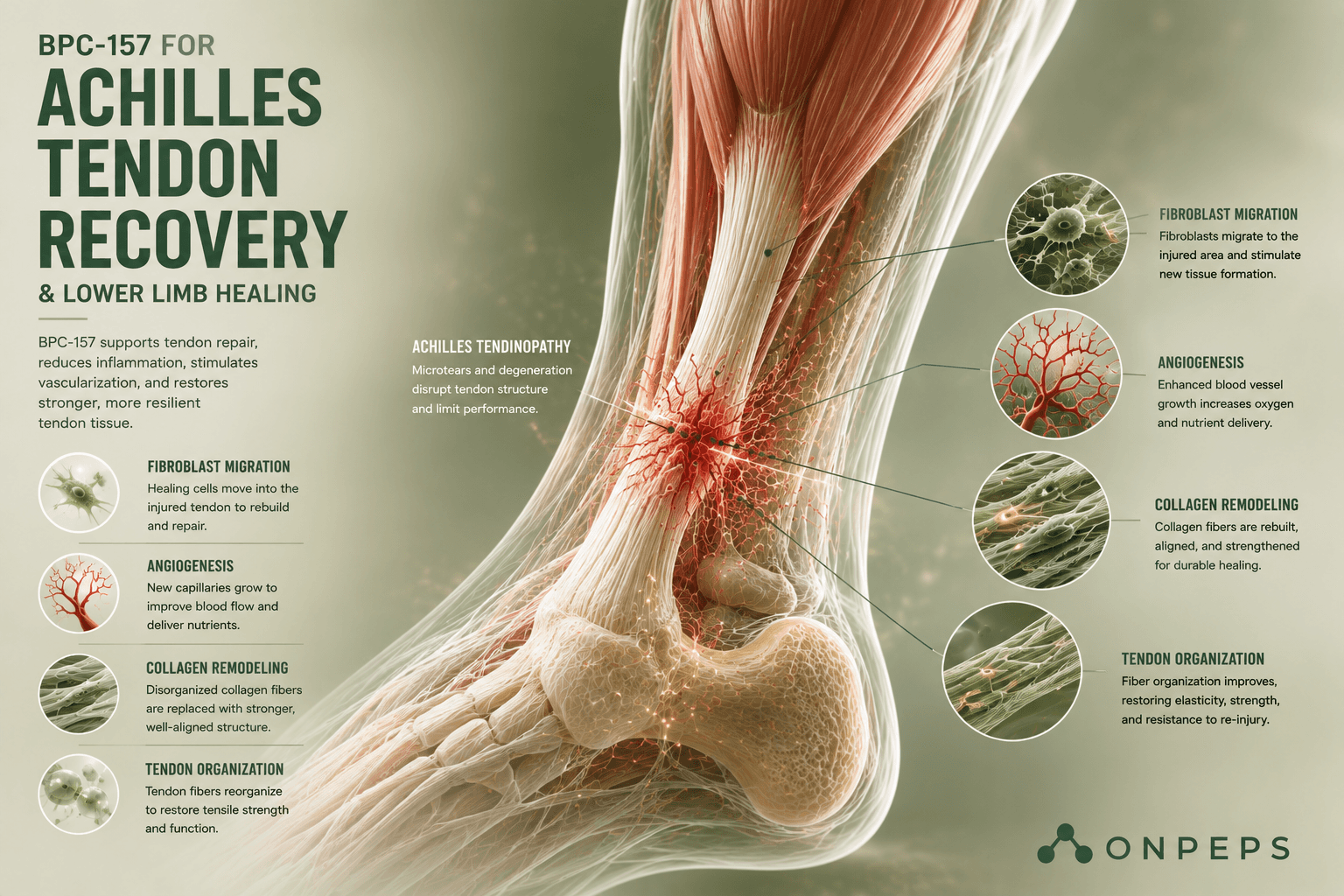
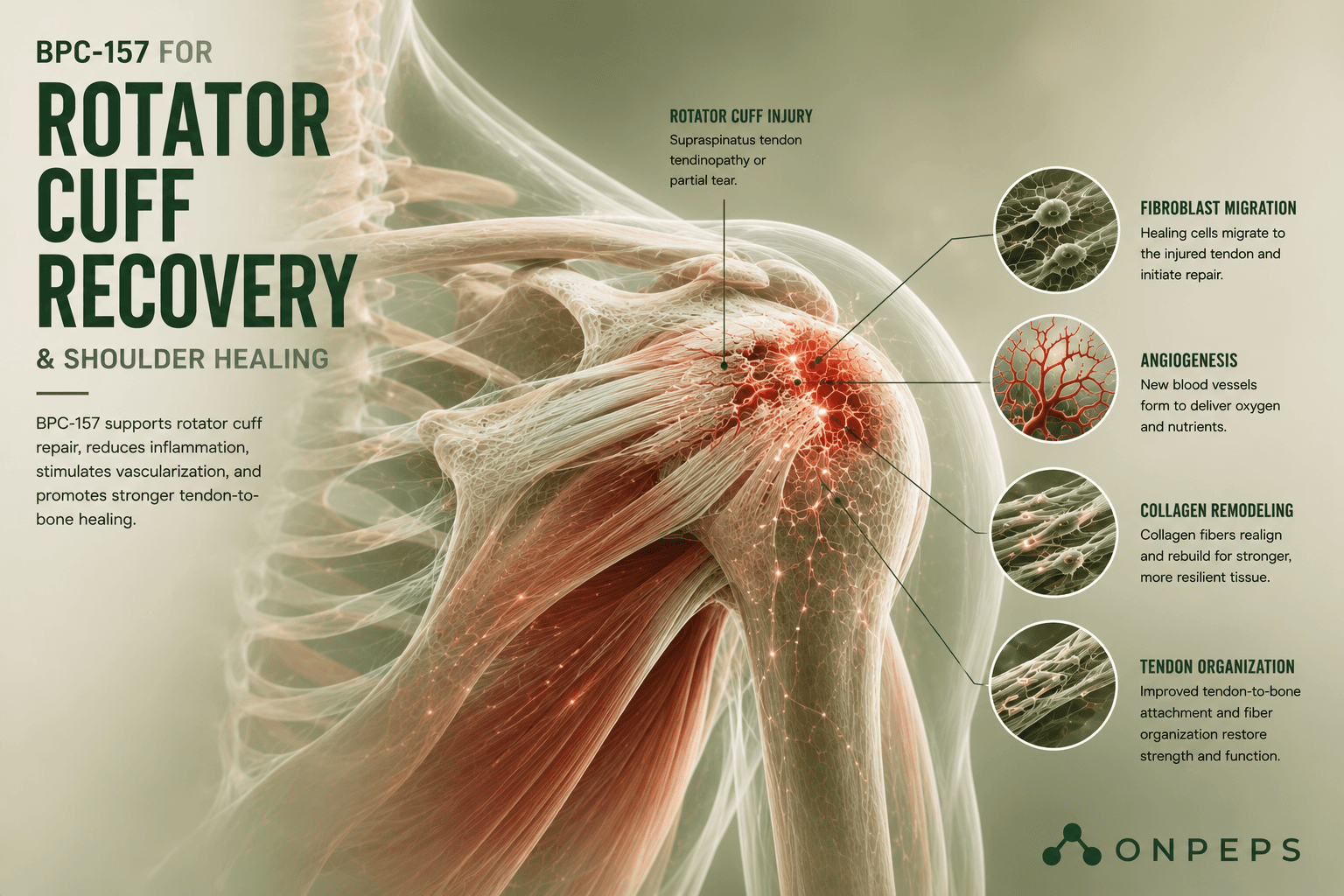
How does BPC-157 affect Rotator Cuff Injuries and Shoulder Recovery?
In our entire dataset, we had one of the largest concentrations of reports when it came to shoulder injuries. Users 3, 13, 26, 27, 30, 31, 32, 38, 47, 51, 52, and 53 all reported long-term shoulder problems.
Their injuries included rotator cuff damage, bursitis, cartilage tears, joint instability, calcium buildup, and worn-out tendons. These users suffered from a limited range of motion and ongoing pain during pressing movements. For all of them, standard treatments like physical therapy and cortisone shots had already failed to provide relief.
User 53 provided the most structured recovery timeline in the entire dataset. Following MRI-confirmed supraspinatus tendinopathy and approximately eight months of stalled recovery despite physical therapy, the participant began:
250mcg BPC-157 daily
localized anterior/lateral shoulder injections
six-week cycle duration
No meaningful changes were observed during week one.
This delay is a classic example of the "timeline paradox" often seen with regenerative peptides. It happens when an initial period of no visible improvement suddenly gives way to rapid, noticeable healing.
This delay happens because BPC-157 requires time to trigger changes at the cellular level. It needs time to increase growth hormone receptors and activate the JAK2 pathway. The compound works by gradually building new tissue, rather than providing immediate, short-term pain relief.
Week two brought faster recovery between training sessions. By week three: internal rotation improved significantly, and overhead pressing pain dropped from 5–6/10 VAS to 2–3/10 VAS. His range of motion improved measurably.
Healing leveled off slightly during weeks four and five. However, the user successfully started overhead pressing again. They no longer experienced the next-day inflammation that had previously lasted for months. Nine weeks after stopping the peptide, the user still felt their shoulder was 85% to 90% recovered.
The value of this report is not simply that improvement occurred. The value lies in structured tracking, acknowledgment of confounding variables, ongoing rehab continuation, skepticism, and detailed timeline mapping.
User 51 shared a highly detailed report about a shoulder injury caused by their job. The injury included bursitis and tears in the rotator cuff muscles (the supraspinatus and subscapularis). Cortisone shots had already failed to provide any relief.
Because of this, the user gradually increased their peptide dose over time. He documented his progression over more than a month while also tracking: hydration, headache response, blood pressure observations, and injection-site changes.
By approximately Day 45, the participant described:
improved overhead movement
reduced radiating pain
lower baseline pain intensity from 8/10 VAS to 6/10 VAS
restored work capacity
while still emphasizing incomplete recovery.
The most common part of these documented use cases of BPC-157 when it comes to shoulder injuries is the feeling of structural instability completely disappearing before complete pain elimination.
This difference is important because long-term shoulder injuries involve more than just physical tissue damage. They also disrupt how the brain and muscles work together. This disruption forces the body to change its natural movement patterns to compensate. Imagine not having the feeling that your shoulder will fall off every time you try to do anything.
BPC-157 For Back Pain, Sciatica & Recovery
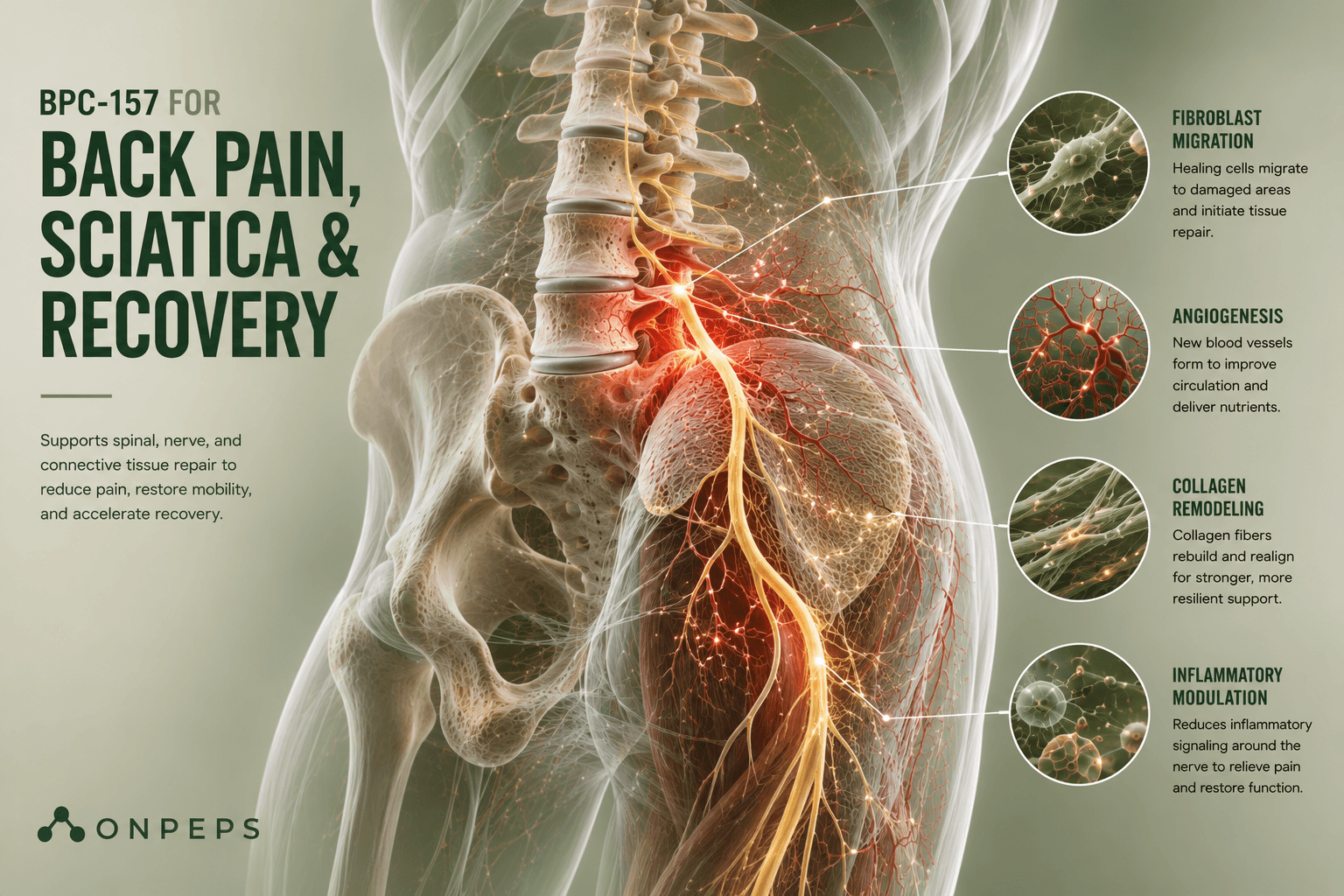
The back pain cases are exactly where we can see the distinction between aggressive claims and some of the clearest cases of the peptides not working.
User 11 described severe lower back pain, sciatica, fractures, arthritis, vertebral instability, and disc pathology. These were serious enough to interfere with daily functions and turn gym activity into hell. He started the Wolverine stack - a blend of BPC-157 and TB-500 after physical therapy didn't do much.
He reported:
complete disappearance of back and sciatic pain
improved gym function
major reduction in systemic inflammation and
spontaneous 10-pound weight loss attributed to inflammation reduction.
A similar experience was reported by User 21. His 22-year history of recurring back pain reportedly vanished within eight days of beginning a BPC-157/TB-500 blend.
These are serious results and can have long-term implications for many people. But these results are not uniform. User 19 experienced no meaningful benefit whatsoever for chronic lumbar pain despite using both compounds.
So the real question is: why are certain individuals experiencing benefits so rapidly, but others feel no difference from peptide therapy?
There is not enough evidence to answer that. And chronic back pain can be influenced by several factors, including disc degeneration, facet dysfunction, muscular instability, nerve irritation, psychosocial pain amplification, etc.
As a result, a peptide influencing connective tissue signaling may plausibly affect some mechanisms while leaving others completely unchanged.
Acute vs Chronic Recovery Patterns
One fact was repeated across the dataset. Acute injuries often improved faster than chronic degenerative conditions.
Users dealing with recent tears, acute strains, post-surgical rehabilitation, and fresh tendon irritation frequently reported noticeable improvement within days or weeks.
By contrast, chronic cases involving multi-year degeneration, repetitive overuse, failed rehabilitation histories, structural instability, or longstanding inflammatory cycles usually took longer, and the results were inconsistent.
If we look back, user 38 stated that peptides “work best for acute injuries”. He also warned that chronic conditions are more likely to recur after discontinuation. There is evidence in the broader dataset that this might be correct.
But at the same time, some of the strongest long-term responses actually came from chronic cases. For example, user 18’s years-long tennis elbow, user 31’s persistent shoulder pain, user 53’s 14-month supraspinatus tendinopathy, or user 49’s knee degeneration severe enough for a knee replacement recommendation.
So what can we infer from this massive dataset, especially when it is pitted against the research?
It doesn't say acute works, chronic doesn't. It suggests
acute injuries may respond faster
chronic injuries may require longer timelines
rehabilitation quality likely matters heavily
mechanical loading remains critical
response variability is substantial
placebo and natural healing cannot be excluded
some users appear highly responsive
others appear completely resistant.
And it is this uncertainty that is the defining characteristic of the current state of BPC-157 research landscape.
Where BPC-157 Currently Stands
BPC-157's growing reputation in injury recovery comes from one recurring pattern. The strongest responses consistently appear in connective tissue and rehabilitation-heavy environments.
If we consider both published research and the 53-user dataset, tendon injuries, chronic overuse conditions, shoulder dysfunction, Achilles pathology, and post-surgical recovery produced the most significant outcomes.
However, the data also shows that results vary widely from person to person. Several factors seem to determine whether someone sees a major recovery, a partial improvement, or no change at all.
While BPC-157 is not clinically validated, the evidence supports one thing unequivocally. There is just too much overlap between the preclinical research and what users have experienced. But the questions surrounding dosing, cycling, neurological effects, and angiogenic risk are genuinely unresolved.
And that warrants more research into this.
FAQ
Why do athletes call BPC-157 the Wolverine peptide?
The nickname references the Marvel character known for rapid regeneration. It stuck because tendon and connective tissue recovery is where BPC-157 produces its most consistent results.
Can scar tissue affect long-term recovery?
Yes. Poorly organized scar tissue reduces flexibility and increases stress on surrounding tissue, slowing the recovery BPC-157 research aims to support.
Why do tendon injuries often hurt more the day after training?
Tendons respond slowly to stress, and irritation builds over several hours after loading. This delayed pattern also appears in BPC-157 recovery timelines, where improvement often emerges weeks in rather than immediately.
Why do some injuries heal but still feel fragile?
Pain reduction does not always mean full structural recovery. Several users in the OnPeps dataset described this exact pattern during BPC-157 protocols, particularly with shoulder and Achilles injuries.
Can poor blood flow slow connective tissue healing?
Yes. Tendons receive significantly less blood flow than muscle, which is why they heal slowly. Angiogenesis, one of the primary mechanisms studied in BPC-157 research, may partly explain its recurring association with tendon recovery.
Why do rotator cuff injuries become chronic so easily?
Shoulders are constantly loaded through large ranges of motion, keeping irritation cycles active. Rotator cuff pathology was the single largest injury category in the OnPeps BPC-157 dataset.
Why are Achilles injuries difficult to rehabilitate?
The Achilles tendon handles enormous force during nearly every movement, making rest difficult. It is also one of the most studied applications in BPC-157 preclinical research.
Can inflammation continue long after an injury happens?
Yes. Some injuries create repeated irritation cycles that persist long after the original damage. Several users in the dataset described years of inflammatory flare patterns before beginning BPC-157 protocols.
Why do athletes return too early after injuries?
Pain improves before tissue fully rebuilds, creating a false sense of recovery. Multiple users in the dataset described this pattern, particularly with Achilles and elbow injuries.
Why do chronic injuries change movement patterns?
The body shifts movement to protect painful areas, creating compensation patterns that add strain elsewhere. Several shoulder cases in the dataset described this progression before beginning BPC-157 protocols.
Resources:
https://doi.org/10.1007/s12178-025-09990-7
https://www.nature.com/articles/s41392-022-00904-4
https://www.frontiersin.org/journals/aging/articles/10.3389/fragi.2026.1790247/full
https://www.mdpi.com/1422-0067/27/6/2876
https://www.mdpi.com/1420-3049/19/11/19066